Choose an output and water source
Decide whether the farm is for food, cloth, berries or trading stock. The goal determines what is worth multiplying and how much maintenance time you want to spend. Do not build a large hall before checking the water route to the growing area.
Establish whether the supply is fresh water. Sea water is not an interchangeable substitute; purification must be considered. Check equipment power and actual delivery at the end of the chain, not merely whether hoses are connected.
Make one small section work
Use a limited crop batch and observe the plants’ condition indicators. Change one unsatisfactory factor at a time: water, light, temperature or another displayed condition. Adding lamps and sprinklers together makes it harder to learn what solved the problem.
Inspect water distribution between planters, not only the first working sprinkler. The official wiki connects farm layout with lighting and irrigation. Its flow figures should not be treated as guarantees for every build and modified server.
Compare genetics against your objective
For crops, G relates to growth, Y to yield, H to temperature hardiness, W to water consumption and X to an empty gene. These symbols help compare candidates but do not replace checking the actual growing environment.
Choose a clone that suits your schedule and intended output rather than an abstract “best” one. Preserve starting material before experiments and record which candidates you compare. Learn to reproduce a stable result before attempting complex crossbreeding plans.
Separate crops from 2026 livestock
Livestock Update introduced cows and sheep with their own needs and genetics. Facepunch explicitly notes that animal genes do not behave exactly like plant genes. An old crop-breeding method cannot automatically be declared valid for livestock.
This is an editorial farming guide, not a description of a filmed farming lesson. RustGansh’s related first lesson helps explain basic electricity; it is not presented as crop footage. Before expanding, test a complete small cycle, water access and practical maintenance.
Before you leave
- Choose the farm’s output and suitable water.
- Stabilize one section before expanding.
- Compare genes alongside growing conditions.
- Treat crops and livestock as separate systems.
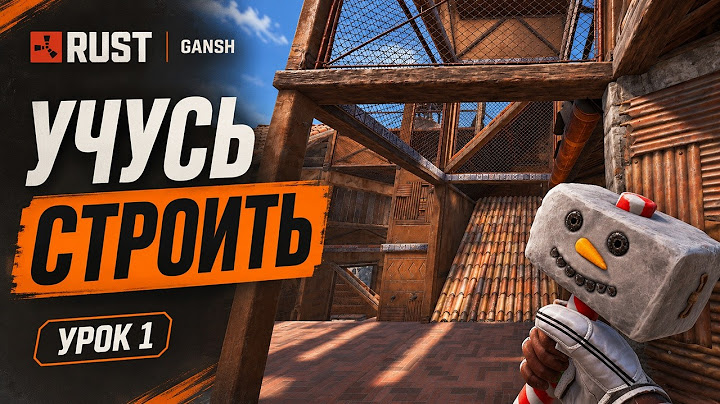 Learning to build in Rust: peeks, electricity and a bunker — lesson 1