Inspect the water around the platform
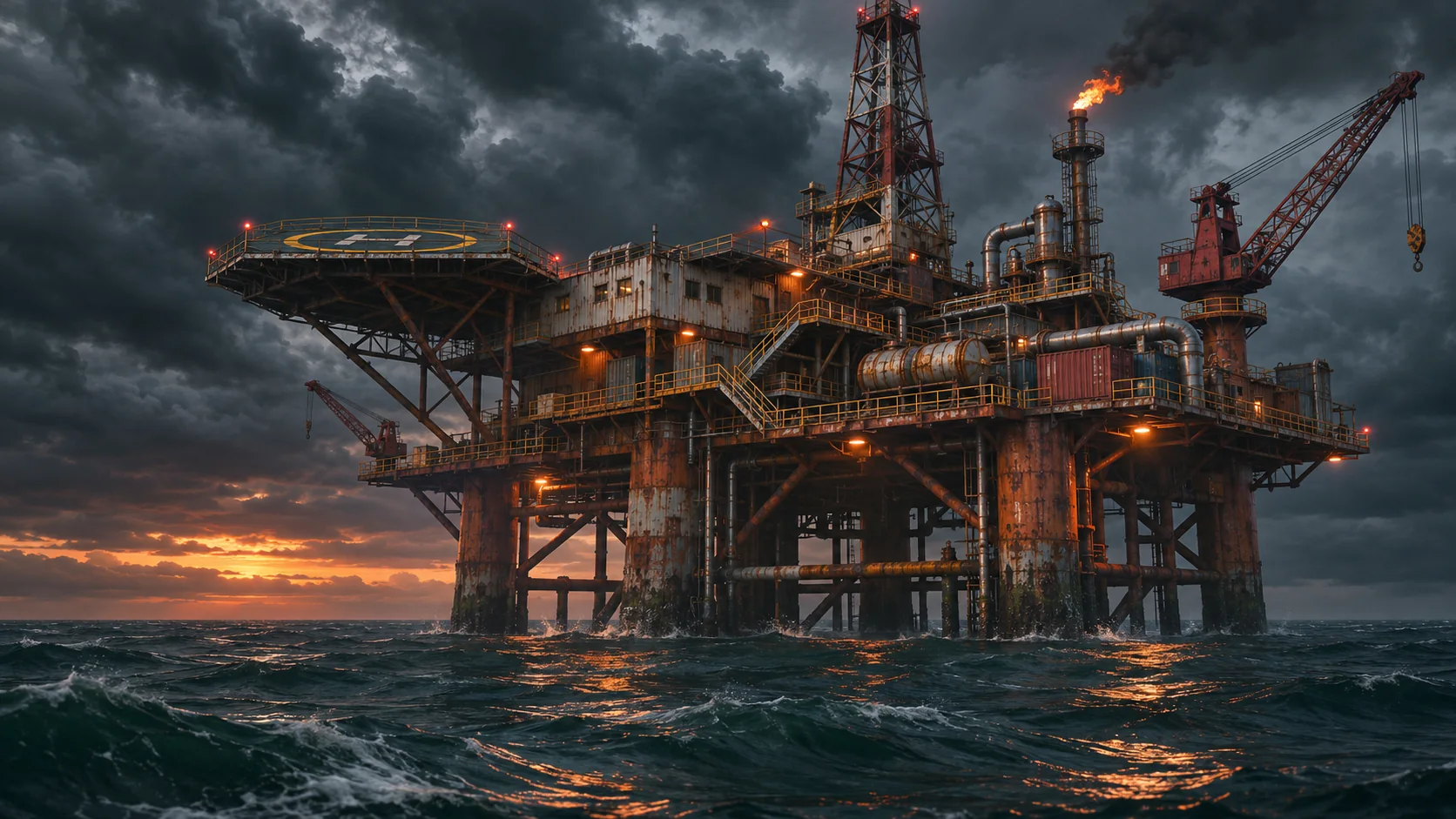
Do not head straight for a convenient ladder without looking around. The Naval Update added scientist boats at Large Oil Rig. A familiar sea approach from an older recording can therefore be threatened before you even land.
Prepare transport, fuel and an abort option. If the approach is poor, reserves should allow a return to shore rather than force a push because fuel is running low. Agree who is driving and who is observing.
Keep control between levels
Choose healing cover and a fallback point at every transition. Avoid having the entire group inspect inventory at once. Useful communication is brief: direction, task and the moment you stop covering an approach.
Do not assume the whole level is safe because a fight has gone quiet. Check unfamiliar angles and the route to the next stairs. Updated Oil Rig scientist behavior makes blind repetition of older tricks unreliable.
Plan an event’s waiting stage separately
For a locked crate or special room, consider the whole cycle before starting it. Where will you watch external approaches? Who is tracking supplies? How will you withdraw if another team arrives? Answer those questions before the waiting begins.
Avoid assuming an identical scenario on every server. Modifications and patches can alter access, opponents and monument state. Red-card routes also deserve a fresh check for the newer blockers described in Breach and Clear.
Separate success from additional risk
Once you have the target, reassess the team’s capabilities. A difficult fight may leave enough supplies to return but not enough for another complete event. Stopping in time is part of a successful run.
RustGansh’s second lesson shows landing, movement toward card rooms and communication on a training server. Use the recording to learn level names and landmarks. On a live server, recheck the sea, platform threats and your transport before leaving.
Before you leave
- Inspect the sea and account for scientist boats.
- Keep fuel and an abort option.
- Identify healing and observation positions.
- Recheck the exit before boarding.
 I built a Rust base. What next? Keycards, monuments and Oil Rigs — lesson 2