Start with the current server and mode
Check whether the map is procedural or custom, which rules apply and when it wiped. Familiar monument names do not guarantee familiar approaches. Recheck the area after a map change even if you have lived near that monument type before.
The default map key is G, but bindings can be changed. Some modes, including Hardcore, alter map functionality. Read the mode rules before assuming a restricted map is a client problem.
Connect real landmarks
Join the base and objective with a few recognizable points: a road bend, distinct rock, bridge or monument edge. For each transition, identify the next cover and why you chose it. This is easier to recover after unexpected contact than a diagonal line across the whole area.
Agree on short shared callouts in a group. Say what “right” is relative to. If the team separates, one understood meeting point is often more useful than several new markers interpreted differently by each player.
Account for biomes and crossings
Snow, dense vegetation and water require different preparation and time. Jungle Update added a jungle biome and changed rivers, so older map descriptions may no longer represent the world. A blue strip on the map is not automatically a quick crossing on foot.
Think about the return with loot before committing. A climb that feels convenient on an empty outbound trip may be a poor place to heal or wait for a teammate. Terrain is part of route selection, not merely scenery around an attractive base location.
Make the route repeatable
Run a short loop and identify where time was lost. Improve one transition at a time: a dangerous hillside, unnecessary detour or exposed monument approach. Compare the next result instead of inventing an unknown route on every trip.
RustGansh’s lessons help you recognize monument types, but the footage comes from a training server. Use your own server map as the foundation and videos as explanations of an object’s layout. Recheck the route after a wipe or substantial changes around the area.
Before you leave
- Check the server map, mode and rules.
- Choose recognizable intermediate landmarks.
- Account for biomes, water and the return.
- Use shared names for meeting points.
Related video
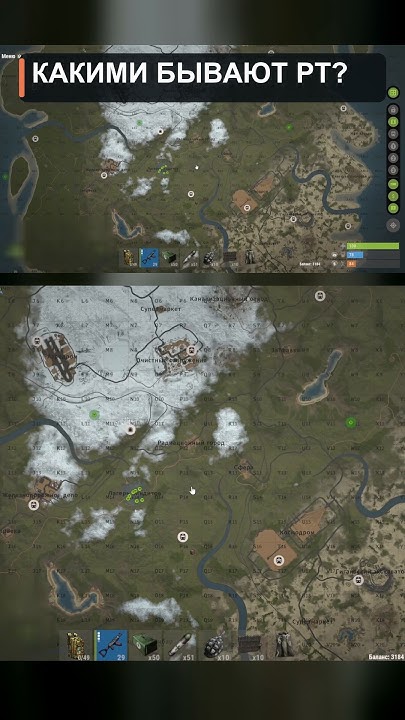 What kinds of monuments are there in Rust?