Set a measurable objective
Choose the immediate task: finish an entrance, refill upkeep or prepare another expedition. Read the required materials in the game interface and record what is missing. This creates a stopping point instead of an automatic habit of filling every available inventory slot.
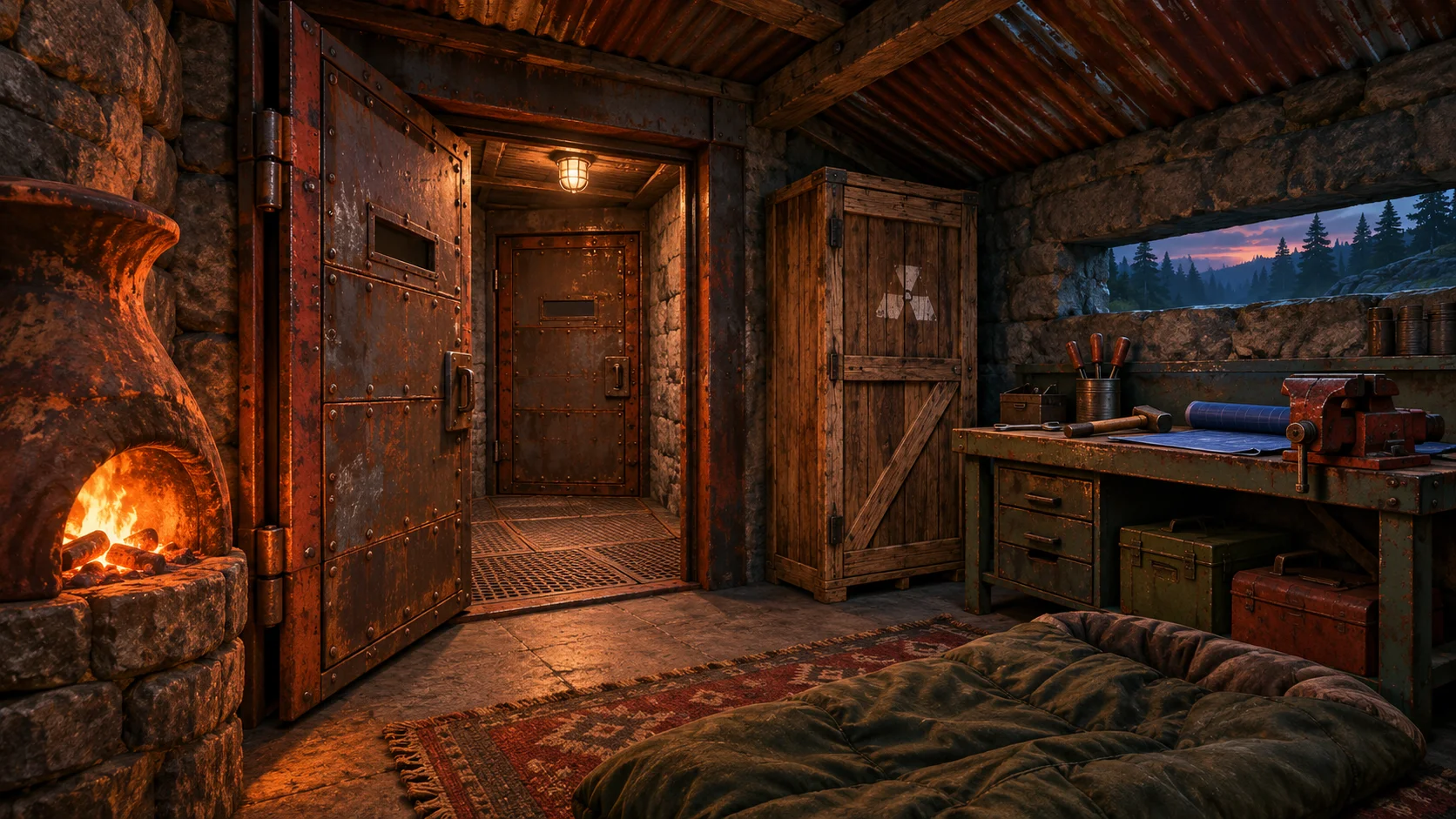
Take tools for that task and leave unrelated valuables at home. Avoid combining your first visit to an unknown area with transporting your entire stockpile. A short trip for a specific material is easier to plan and easier to review afterward.
Read the terrain and the node
The official wiki describes ore nodes around cliffs and rock formations. Treat that as a search direction, not a guaranteed spawn at every spot. Other players may have harvested the nearby resources before you arrived.
When mining manually, watch the glowing node hotspots. This is a harvesting-efficiency mechanic, not a way to create an unlimited total yield from one node. If the point is difficult to see, consider lighting and your position before assuming the tool is broken.
Divide the trip into short segments
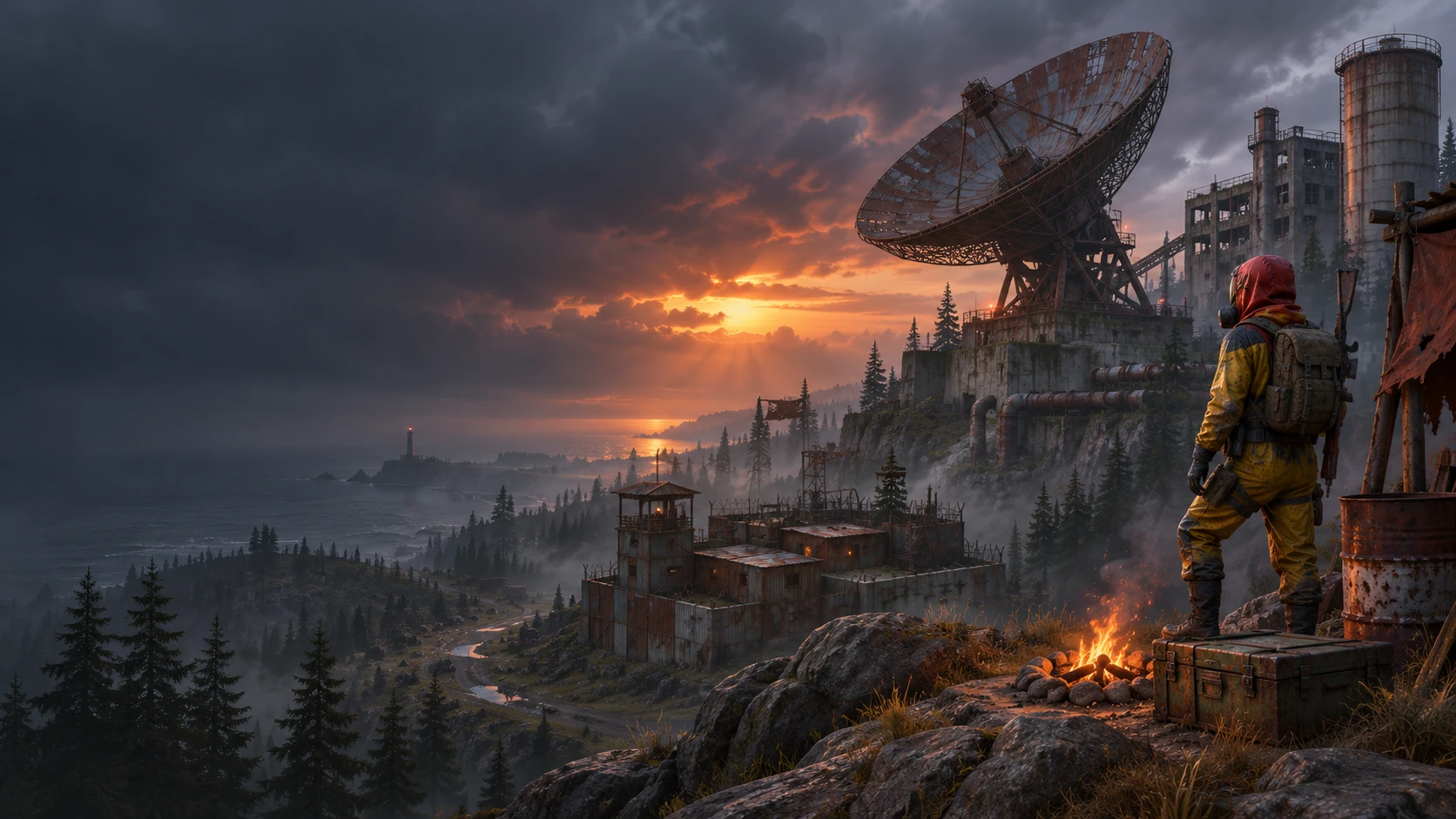
Choose recognizable landmarks and a turnaround point before leaving. Limit inventory rearranging on exposed ground. After noisy harvesting, check the approaches again: a familiar quiet route may have attracted somebody while you were working.
Define a return threshold: enough required material, tool wear, low healing supplies or an inventory already containing useful cargo. If nearby activity changes the route, returning with half the plan can be better than completing it at any cost.
Improve the loop, not only the tool
After unloading, compare time spent with what actually reached storage. Where did you stop too long? Could the same area be approached from another direction? At what point did the cargo become too valuable for the next risk? Use those observations on the following run.
A faster tool cannot repair a route through an exposed courtyard. If using a jackhammer, the official wiki documents refilling it at a workbench. Learn that procedure beforehand rather than discovering the need far from home with an empty tool.
Before you leave
- Define required materials and a return threshold.
- Prepare the tool before leaving.
- Choose recognizable route landmarks.
- Unload before taking another major risk.
 I built a Rust base. What next? Keycards, monuments and Oil Rigs — lesson 2