Draw the path of one item
Start with one ore type, one source container and one destination. State the direction: where the item is now and where it should go. A large branched network is difficult to diagnose before you have observed a simple section working.
The industrial system moves items through connected storage and adaptors using a powered, enabled conveyor. First prove a minimal transfer rather than mixing it with finished-product filtering and material-return loops.
Check filters and transfer conditions
If nothing moves, inspect the filter, the source and destination capacity. Minimum and maximum quantity settings can intentionally stop a transfer. Compare actual amounts with those settings before calling the conveyor broken.
Change one setting and repeat the same experiment. Use a small batch you can count easily. Moving all the ore, changing filters and replacing pipes together makes the result hard to explain even if the system eventually starts working.
Separate smelting from transport
Once transfer works, inspect the furnace itself: does it receive the required material, and does the selected furnace type have its required power or fuel? An electric furnace uses electricity instead of fuel and does not produce charcoal, which matters for the base’s other supplies.
Add output collection only after input supply is stable. Test a full destination container and a stopped consumer. The system should remain understandable during a normal stoppage, not only while every storage box is empty.
Allow for timing and scale
Facepunch has documented time-budgeted industrial processing and performance limits. One immediate glance after enabling a conveyor may therefore not show the eventual result. Let the experiment complete, then compare quantities before and afterward.
If a small segment works but the full network behaves differently, reduce it to the known working state. Add branches individually and consider server rules. The RustGansh lesson contains chapters on industrial smelting and fixing power; use them alongside observations from your own setup.
Before you leave
- Define the item-flow direction.
- Check filters, quantities and capacity.
- Test smelting separately from transport.
- Test behavior with a full destination.
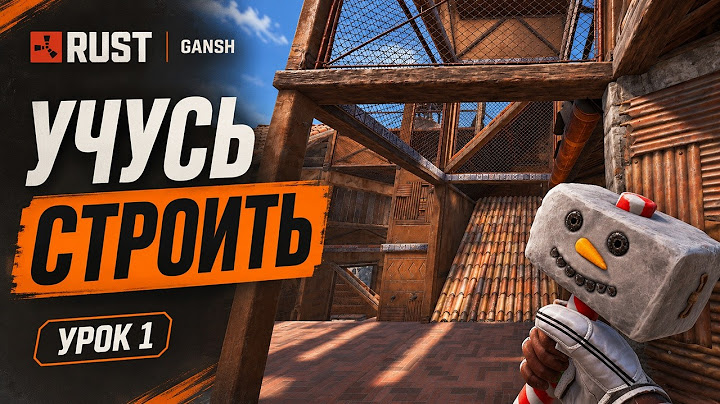 Learning to build in Rust: peeks, electricity and a bunker — lesson 1